
How the Pratt County Court Calendar Works
No standalone public Pratt daily calendar was located. Kansas Courts CaseSearch can show hearing dates within a case register. Search by number or party, filter the location to Pratt, and inspect the newest explicit setting.
The judicial-officer filter can narrow results. It is not a complete judge calendar. An old setting may remain in the chronology after a reset.
Pratt County Court Calendar Gap
The documented fallback is direct. Call the Pratt County District Court clerk at 620-672-4100 when the portal is unavailable or a date is unclear. The public terminal at Pratt County Courthouse, 300 S Ninnescah, can help with older or broader local detail.
Quick answer: The current case register and clerk confirmation are the verified routes for a Pratt District Court setting.
This gap matters because a general courthouse-hours listing is not a calendar. County office hours do not promise that a particular courtroom is in session, and a list of judges in the 30th Judicial District does not show the daily assignment. The district spans Pratt, Barber, Harper, Kingman, and Sumner counties. Its 2025 state list includes four district judges and three magistrate judges, but that staffing context cannot identify who will hear one Pratt case on one date. The case register and clerk remain the proper sources.
Pratt County Court Date Lookups
Use the exact case number when possible. Current numbers can include PR, year, type, and six digits. Older cases may omit PR. Name searches work when the number is unknown, but the Pratt location and case-type filters remove noise.
- Open CaseSearch and accept its agreement.
- Choose Pratt and search by number or name.
- Open the correct case and read entries in date order.
- Confirm the newest date, time, location, and officer with the clerk.
Pratt County Court Calendar Dates
A filed date marks when a case or paper entered the record. It is not a hearing date. A setting is the scheduled proceeding, while a disposition is an outcome. Read the label before copying a date.
- Setting
- A scheduled appearance.
- Reset
- A replacement date.
- Continuance
- A court-approved delay.
- Disposition
- An outcome, not a future hearing.
A register of actions is chronological, so an earlier hearing can remain visible after a later order changes it. Read from the old setting through every later entry. Look for words such as continued, reset, cancelled, vacated, or rescheduled. A motion filed after the setting does not by itself move the date. The later entry must expressly change the setting, or the clerk should confirm what remains active. This approach is especially important when a printed notice and the portal appear to conflict.
Court Settings: What Each Field Means
Read the hearing type, date, time, location, judicial officer, and status as one unit. Arraignment, motion, status, pretrial, plea, trial, sentencing, and review labels identify different proceedings. No label promises the outcome.
A setting line should be matched to the case caption and number before it is used. The same party can have more than one matter, and each matter can have a different schedule. Courtroom or location detail matters as much as the date. A District Court setting at the Pratt courthouse is not interchangeable with an event at Pratt Municipal Court or another county in the 30th Judicial District.
The status field also needs context. Scheduled can mark a future event. Held describes an event that occurred. Continued or reset points toward a later entry. Cancelled or vacated can remove the event without deciding the whole case. When the portal shows only a short code, ask the clerk what the public register label states rather than guessing at an abbreviation.
| Date | The scheduled calendar date, subject to later orders. |
|---|---|
| Time | The stated start time, which may differ from a docket-call time. |
| Courtroom | The listed room or court location. |
| Judge | The judicial officer assigned to the event. |
| Setting Type | The arraignment, motion, pretrial, plea, trial, or review label. |
Pratt County Court Calendar Terminal
The courthouse terminal may show eligible information or converted documents that are not convenient online. It can help with pre-Odyssey records. The same confidentiality limits apply.
The official Pratt County website provides local navigation.
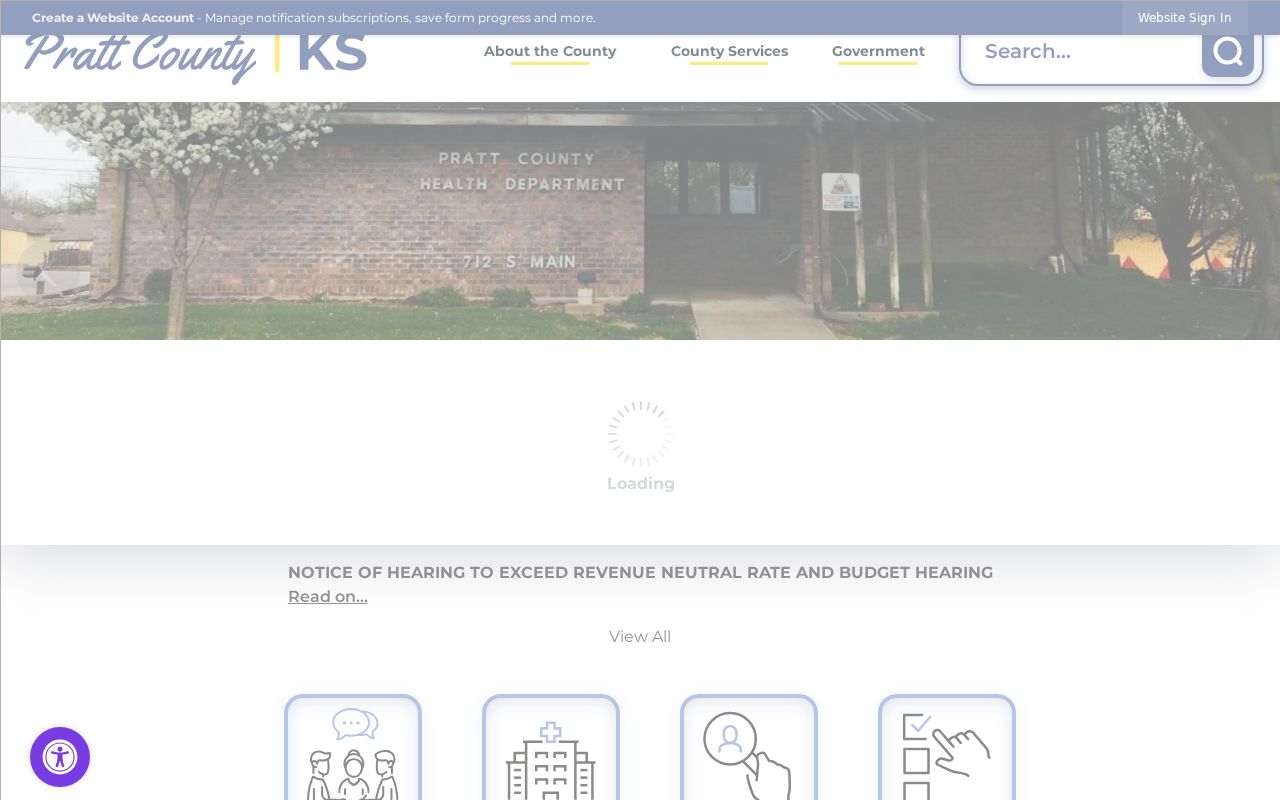
Use county details to plan contact, but verify the event with District Court staff.
At the terminal, search the case before asking for a copy. Confirm that the caption, number, and case type match. Then read the latest event and any public setting notice or continuance order. Older documents may not have been converted into an online image even when the register lists them. If the terminal still does not provide the needed paper, give the clerk its exact register label and date. The terminal is a public-access channel, not a way around sealed-case or redaction rules.
When a Court Date Moves
A continuance delays an event. A reset gives a new setting. A cancellation may remove it, while the old entry remains in the chronology. Read forward for the latest order or date.
Portal lag or a restricted order can hide context. Call the clerk with the full case number. Staff can confirm record facts but cannot give legal advice.
Keep the source of each date clear. A party's motion for a continuance does not change the schedule by itself. Look for the court's order or a new setting entry. If neither is visible, treat the existing date as unresolved and contact the clerk. This is safer than assuming that a request was granted.
Pratt County Court Calendar Routes
Pratt Municipal Court handles city-ordinance cases at 303 S Oak, phone 620-672-7131. Federal hearings use PACER and the U.S. District Court for the District of Kansas. State, municipal, and federal calendars are separate.
The exemption framework appears in K.S.A. 45-221.
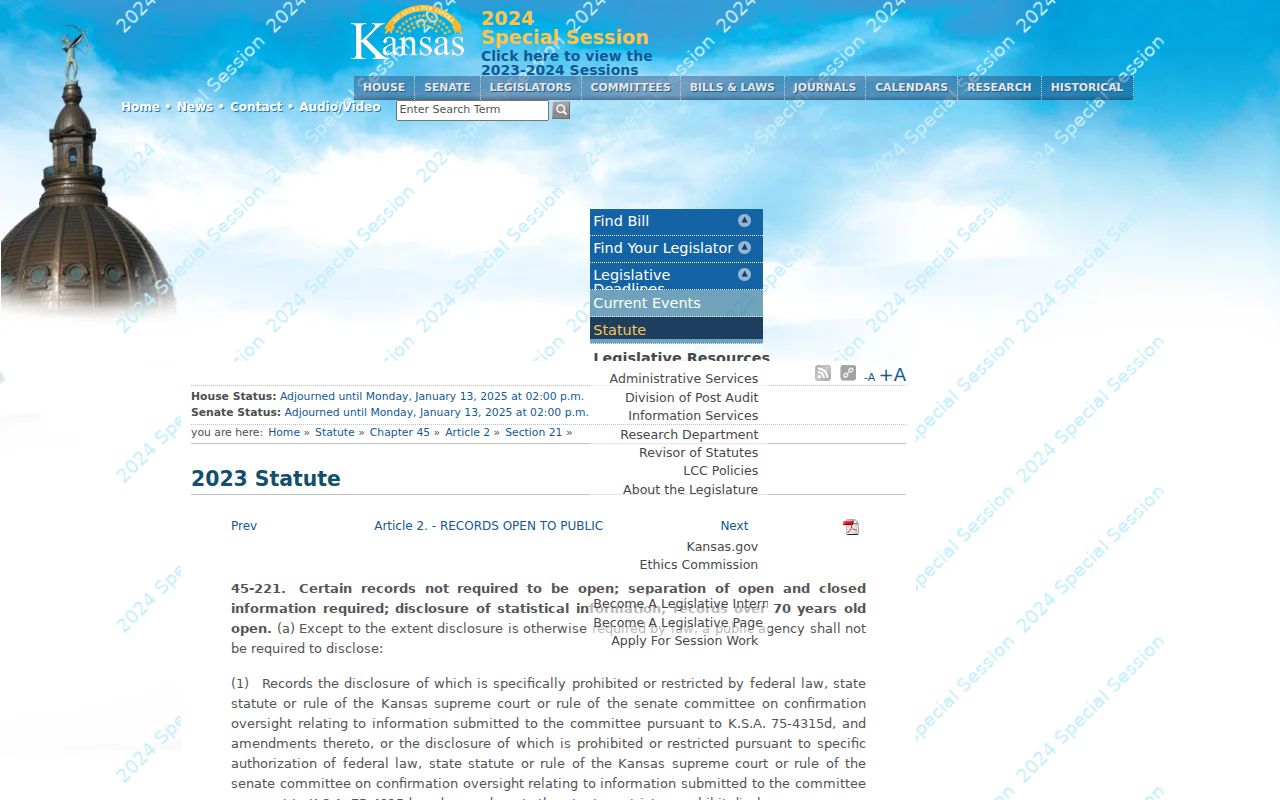
Protected material may be separated, so some calendar detail is less visible.
The citation or notice usually identifies the issuing court. A City of Pratt ordinance matter belongs with Municipal Court, even if the person's name also appears in a separate District Court case. A Kansas state charge or civil action belongs with Pratt County District Court. Bankruptcy and federal civil or criminal hearings use federal systems. Search each forum independently and do not carry a date from one caption into another case.
Missed Settings and What Comes Next
Contact the court promptly. Give the clerk the full case number and ask what the public register shows after the missed event. Check for a new order, warrant, failure-to-appear entry, or reset without assuming one applies.
A KORA request is not the fastest route for an urgent date. Ask for a named order if the document itself matters.
The next step depends on the case and the entry made by the court. A criminal register may show a failure-to-appear or warrant event. A civil matter may be reset, dismissed, or proceed under an order. Those are possibilities, not automatic results. Do not rely on another party's description of what happened. Read the current register, obtain the relevant order when available, and consult a licensed Kansas attorney about legal consequences.
If the clerk confirms a new setting, write down the date, time, court location, case number, and hearing type together. Check again close to the date because a later continuance can change the event. Keep any notice or order that supplied the setting.
Missed a Setting? A missed date can lead to a failure-to-appear entry, warrant, or other court action, depending on the case.
Contact the clerk or your attorney at once and ask what the current record shows.
Consult a licensed Kansas attorney about a missed Pratt County setting before appearing.
Pratt County Court Calendar Requests
When an order or notice is missing, a KORA request should name Pratt County District Court, the case number, document title, and approximate date. One continuance order is easier to identify than an undefined whole docket.
The Kansas expungement statute is an official source for separated criminal records.
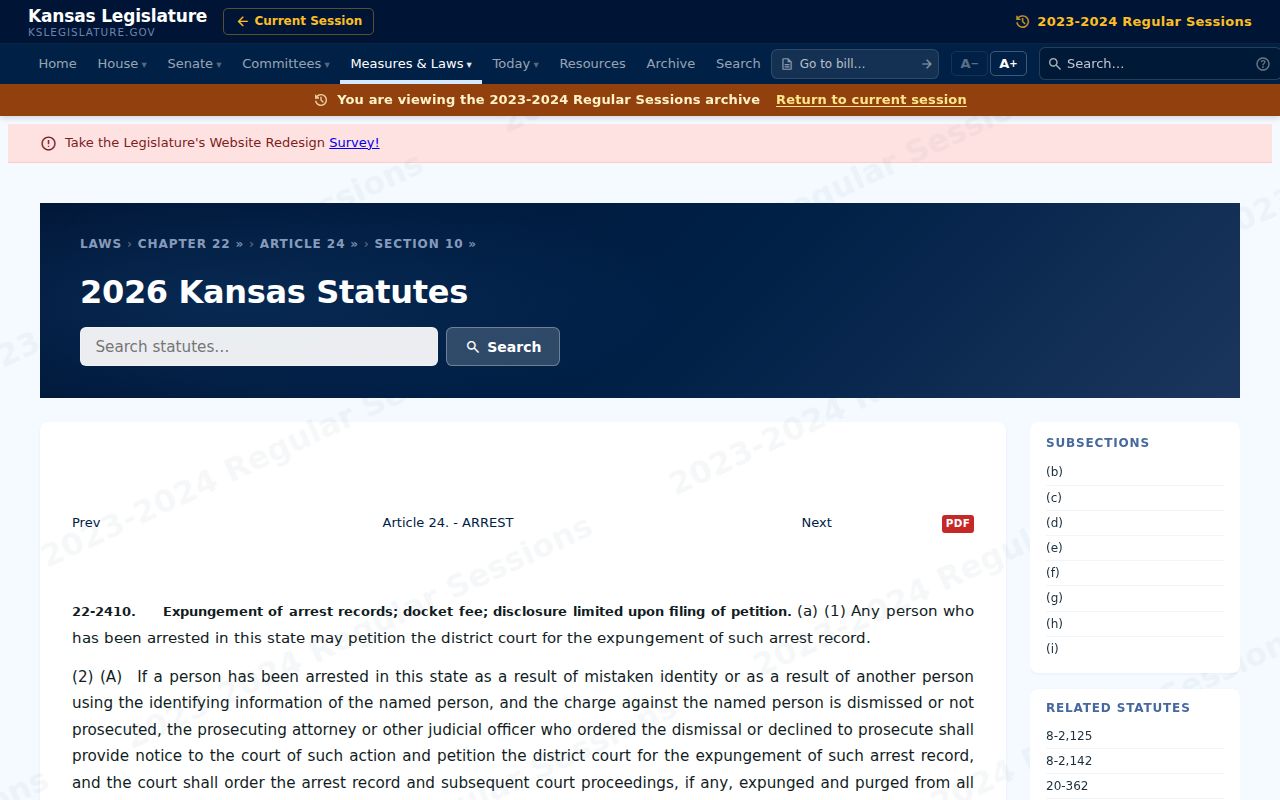
Record separation can explain absence from ordinary results. It is not proof about whether a matter ever existed.
Tybera support serves Kansas eFiling users, not public calendar searches.
Use CaseSearch and the clerk for dates; use filing support only for eFiling trouble.
A records request is most useful for confirming what an order says after the immediate scheduling question has been resolved. It is slower than calling about tomorrow's appearance. State the desired delivery method and ask whether fees will apply before copies are produced. If the case type is restricted, the custodian may deny access or release only a redacted part. That response should be treated as an access determination, not as a statement about the merits of the case.